Neuropathy Wellness Institute | Loading local time...

If You Have Diabetic Peripheral Neuropathy...
Here's Why Your Treatment Isn't Working

You Could Be in the Danger Zone for Amputation - and the reason may not be what you were told.

Educational presentation - no cost

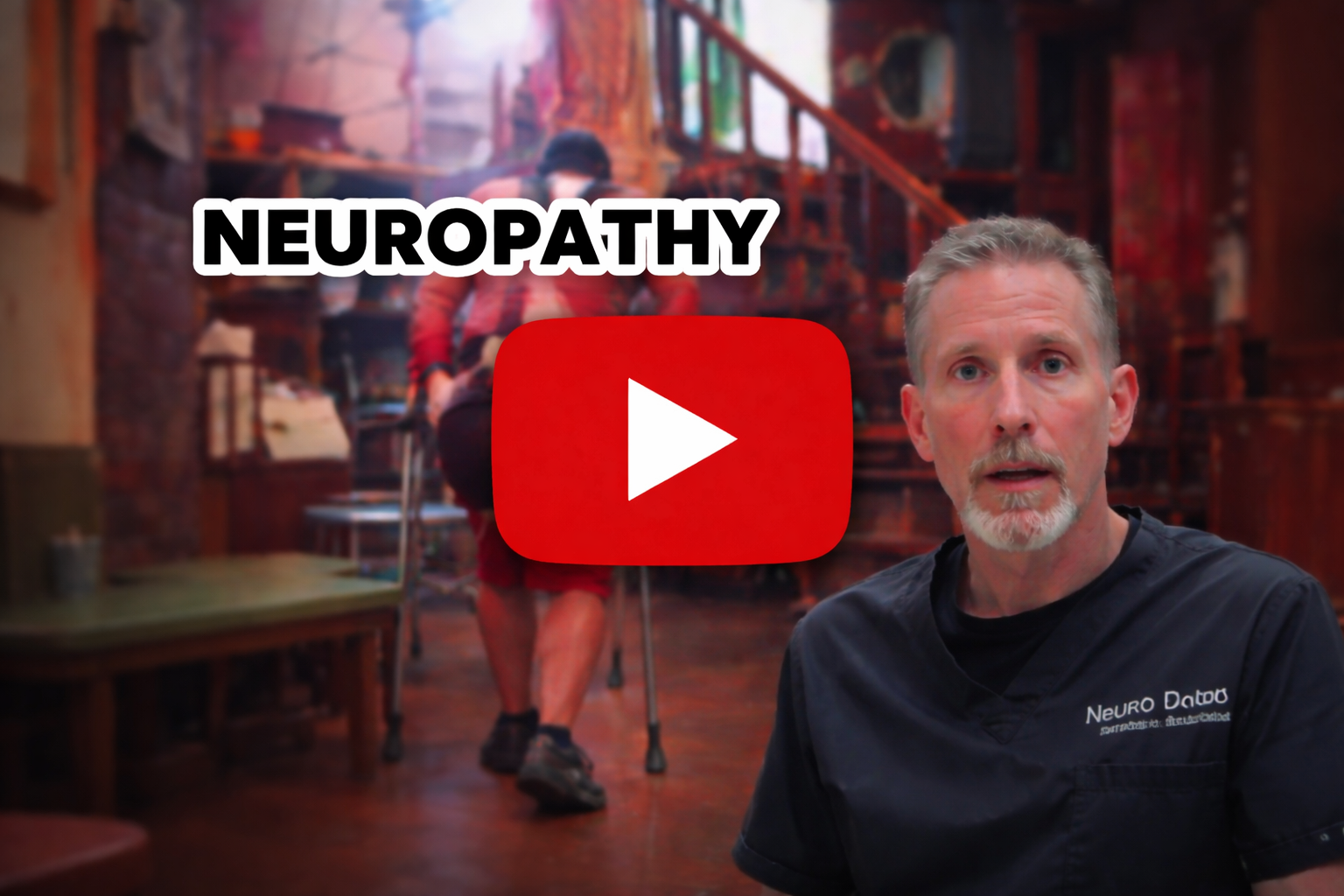
-> Watch This Before Trying Another Neuropathy Treatment

Instant access | No sign-up required

Do Any of These Sound Familiar?

Burning feet that wake you up at night.
Sudden electric shocks.
Redness that scares you.
Swelling that appears without warning.
That quiet fear in the emergency room...
"What if next time is worse?"

Most people are told this is simply diabetic peripheral neuropathy progressing. But progression doesn't happen randomly. Something fuels it. And you may never have been told what.

-> See What May Be Fueling the Damage

Short, free presentation


What's Really Destroying Your Nerves

You were told neuropathy is caused by diabetes. But diabetes may only be the trigger - not the real engine.

Emerging research discussions suggest a specific enzyme may become overactive inside nerve tissue. When this enzyme becomes aggressive, it may begin breaking down myelin - the protective insulation around your nerves.

1
Without insulation, nerve signals misfire and fail.
2
Inflammation rises, creating an even more hostile environment for your nerves.
3
A sticky plaque-like buildup may begin forming around damaged nerves.
4
This internal cascade accelerates - and conventional treatments don't stop it.

"What if we're treating the smoke... but not the fire?"

- Question raised by a physician researcher reviewing current treatment patterns
-> Discover How This Hidden Reaction May Sabotage Your Neuropathy Treatment

Watch the full presentation for free


What the Research Shows

Harvard Medical School
Research on Enzyme-Driven Tissue Degradation in Inflammatory Conditions

Researchers at Harvard Medical School have published findings on enzyme-driven tissue degradation in inflammatory conditions - a mechanism rarely addressed in standard clinical protocols for neuropathy.

Johns Hopkins University
Research on Myelin Breakdown and Nerve Dysfunction

Johns Hopkins researchers have also explored how myelin breakdown contributes to nerve dysfunction - and why glucose control alone is not sufficient to stop this process.

Yet most standard neuropathy treatment plans still focus only on glucose control and pain suppression. They are not targeting the internal enzyme cascade. And without addressing that engine, symptoms often return.

-> Watch How This Research Changes What You've Been Told About Neuropathy

Free educational presentation


The Physician Who Asked the Right Question

One physician began asking a different question. He discovered that pain relief wasn't enough - because the real issue was a biochemical erosion happening silently, independent of visible symptoms.

"Pain relief was masking the damage. While the patient felt better, the nerve destruction process was still happening underneath."

- Reflection on the limits of conventional symptomatic treatment

Until that reaction was slowed, nothing truly changed. Symptoms returned. Damage advanced. The cycle repeated.

-> See the Full Explanation Below

Short | Free | No commitment


Frequently Asked Questions

If the internal destructive enzyme process continues unchecked, damage progresses. But if that cascade is interrupted early, the body may have regenerative capacity.

-> Watch the short presentation to understand how that interruption may be possible.
Because conventional care focuses on symptom control, not biochemical drivers.

-> The presentation below explains why this distinction matters.
Not exactly. It's about stopping what's breaking your nerves first.

-> See why supporting myelin may depend on slowing this specific enzyme reaction.
Reduced circulation combined with inflammatory signaling may amplify nerve misfiring during sleep.

-> The short video explains how this connects to the internal cascade.
When the destructive process slows, repair pathways may activate. Researchers describe this as a "regenerative window."

-> Watch how researchers describe this regenerative window.

If You're Skeptical - Good.

Because blind trust is what keeps most people stuck in ineffective neuropathy treatment cycles. Watch the short presentation below and decide for yourself.

It explains how eliminating sticky plaque, slowing a specific enzyme reaction, and supporting myelin may help restore nerves from the inside out.

-> Click Below to See the Full Breakdown

Free | No sign-up | Watch now

-> Watch the Presentation Now